

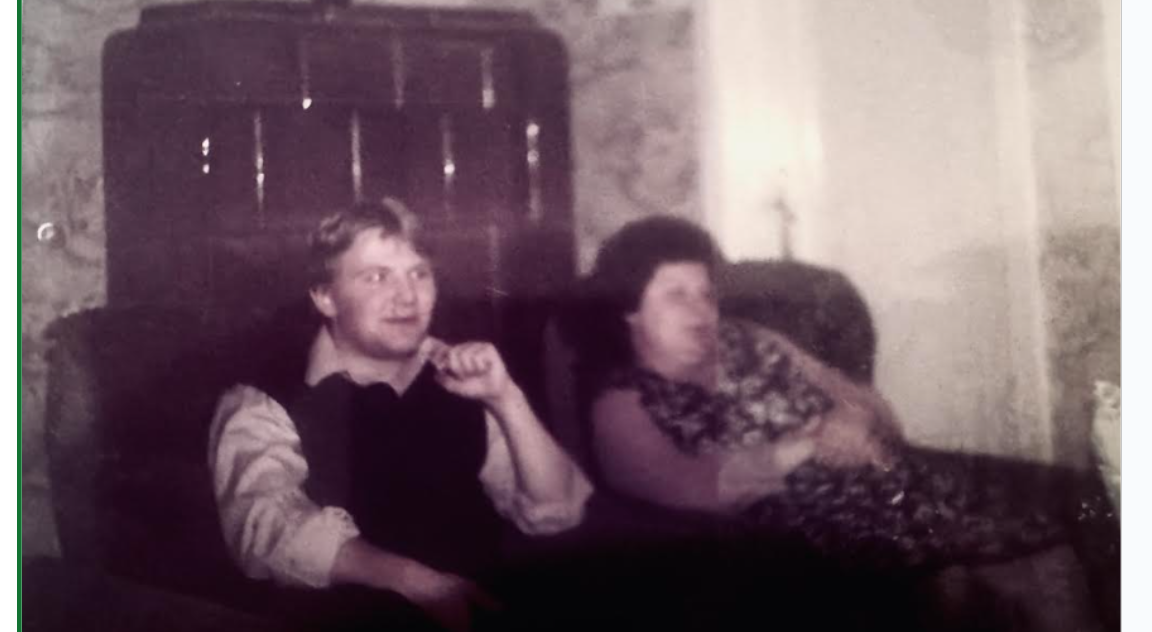
Yeah, that one. A tiny, tiny woman with energy to share among her neighbours.
Ruža has lived for many years in a block of flats under the Golden Hill, on Škalska Street to be precise, and if you think that the street is called that because it leads to Škalce, you are right. The flat is small, but it smells like home; of cleaning products, coffee and that special blend that only mothers have. When you knock, you are greeted with, »Oh, it's you! Come in, I've just got some coffee brewing.« The coffee is always Turkish. She pours it exactly to the rim of the cup and adds a teaspoon of sugar, no more. If you say you'd prefer it sweeter, he looks at you over his glasses and says, »It doesn't have to be sweet. Life often isn't either.«
Ruža is one of those women whom life has taught order, honesty and modesty. She and her husband Slavko lived simply but honestly. He worked in Konus, and after work he sewed clothes for people who could not afford them. »If you have two shirts, give one to another man,« he was known to say. And he did. And she baked bread, wrapped it in Serveto and said, »You are taking it to someone who does not have it. Someone else will give it to us if necessary.« So they lived - without many words, but with a big heart.
His son Lojze grew up to be an honest man with such parents, but as a child he did not always understand why their home was not like others. He remembers once asking his mother for chocolate. »It won't do,« she said. »Why not?« »Because you don't have to met’.« He grumbled, but my mother did not relent. »If you have everything, you can't be happy anymore,« she said, stroking his hair. »The day will come when you will understand.« He didn't believe her then, but today he could have written those words on the fridge at home.
When he grew up, he went his own way, but he still loves coming back to his mother. Every Saturday, he comes to the block, sits down at the table and knows by the smell that she's making something out of apples. Ruža still cooks compote the old-fashioned way. Without sugar, so that her stomach doesn't get upset. When she is fed up, she says: »Mum, do you know that now all the products in the shop say sugar-free? You were clearly ahead of your time.« She replies, »Yes, look how many of them have diabetes now. I don't have it.«
This is the case with Rose. Simple and to the point. When she says something, she doesn't have to explain it twice. And only now Lojze understands that it was not stubbornness, but cleverness. That moderation is not a lack, but a freedom.
When he visits, he brings her croissants, although she (also) bakes them herself. Then it's easier for her to compare homemade and bought ones. And she always divides them in half: »Half for today, half for tomorrow.« If her son accidentally eats them all, she smiles at him: »Eh, Lojze, I would have sprinkled sugar on your baguette if I'd let you.« And they both laugh, because in these simple conversations is everything that a child is to his parent - the world.
Over the years, many things have changed. Neighbours come and go, there's always someone new on the block, but Ruža remains the same. Everything is tidy, everything is under control. »Order is half health,« she says. And it is. Her order is not cold, but warm - the kind that gives a feeling of security.
When they say goodbye on a Saturday evening, she always walks him to the door. »Take care of yourself,« she says. »And don't waste it on nonsense.« He hugs her, smelling the familiar scent of coffee and cleaning products, and smiles. In his mind he hears her voice, so familiar, so calm, as if she were standing by his shoulder.
If someone asked him today what his mother taught him, he would say, »It's not sugar that makes life sweet, it's having someone to say to you every now and then, ‘That's enough, son’.«
Zala Krupljan, 21 Oct 2025
 English (UK)
  Slovenščina
  Italiano
  Magyar